Why Choose Hem Beer Equipment for Your New Brewery Project?
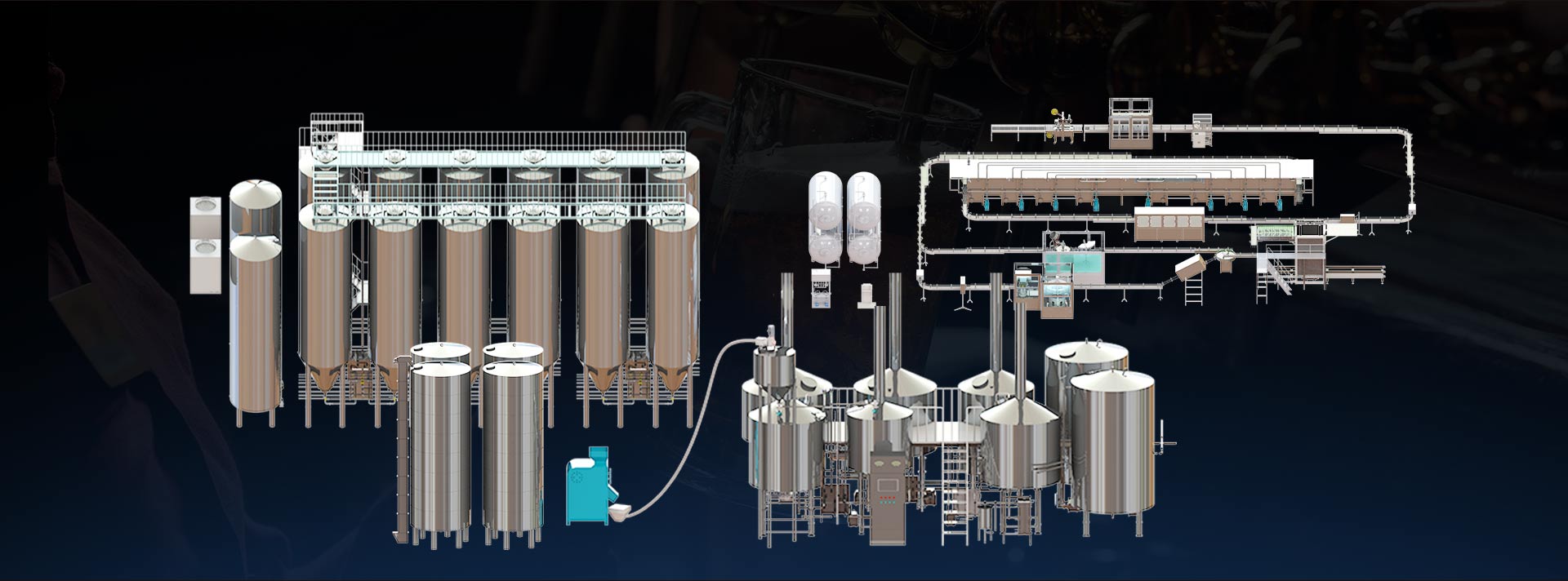
Hem Beer Equipment provides brewery solutions designed around production capacity, space planning, and long-term operation. With stainless steel tanks, customized brewhouse systems, and complete project support, the company helps breweries improve production consistency. For example, a 20-barrel fermentation system can support growing craft breweries, while automated temperature control can reduce manual adjustments by around 30%–50% depending on the process design.
“A brewery equipment supplier should provide more than vessels; it should provide a production system that matches brewing volume, workflow, and future expansion plans.”
Starting a brewery requires equipment that can maintain stable quality from the first batch. In 2025, many craft breweries operate with production volumes ranging from 500 barrels to more than 50,000 barrels annually, making equipment selection closely connected with production goals. Stainless steel fermenters, brewhouses, cooling systems, and CIP cleaning systems influence brewing consistency, labor requirements, and operating costs.
Hem Beer Equipment develops customized systems based on brewery size, beer styles, and expected output. The equipment design process considers tank capacity, fermentation time, utility consumption, installation space, and future upgrades. A brewery producing 1,000 barrels per year may need a different setup from a facility producing 10,000 barrels because fermentation capacity and workflow requirements change significantly.
The material selection of brewing equipment affects sanitation and service life. Modern breweries mainly use stainless steel because it provides corrosion resistance, smooth surfaces, and easier cleaning compared with traditional materials. Many commercial fermentation tanks use stainless steel construction with temperature control jackets to maintain fermentation conditions.
| Equipment | Common Brewery Use | Main Consideration |
|---|---|---|
| Brewhouse | Mashing, boiling, wort production | Batch size and heating method |
| Fermentation Tank | Yeast fermentation and conditioning | Temperature accuracy |
| Bright Beer Tank | Carbonation and storage | Pressure control |
| CIP System | Cleaning process | Water and chemical efficiency |
| Glycol Cooling System | Temperature management | Energy consumption |
A properly designed system reduces unnecessary production delays. For example, fermentation tanks with accurate cooling control help maintain yeast activity within required temperature ranges. A difference of only 1–2°C during fermentation can affect flavor development, especially for lager and specialty beer production.
“Temperature stability, sanitation design, and tank capacity determine how consistently a brewery can reproduce the same recipe.”
This is why equipment customization becomes important during brewery planning. A standard equipment package may fit the first year of production but create limitations after expansion. A brewery adding 50% more output within 3 years needs fermentation space, cooling capacity, and pipeline layouts that can support additional tanks.
Hem Beer Equipment provides customized brewery systems including 2-vessel, 3-vessel, and multi-vessel brewhouses. Different configurations allow breweries to balance investment and production speed. A 3-vessel brewhouse can separate mash, lauter, and kettle functions, which can improve workflow efficiency compared with smaller combined systems.
The production layout also affects daily operation. A brewery with poorly arranged tanks may spend additional time moving materials between areas. Professional equipment planning considers the distance between brewhouse, fermentation area, packaging section, and cleaning stations.
“A well-planned brewery layout can reduce unnecessary movement and help operators complete more brewing tasks within the same working hours.”
Automation is another factor influencing brewery performance. Since the early 2010s, more craft breweries have adopted digital temperature controllers, automated valves, and monitoring systems to improve repeatability. Depending on system complexity, automation can reduce manual process adjustments by approximately 30% or more.
Hem Beer Equipment offers different automation levels according to brewery requirements. Smaller breweries may choose semi-automatic systems for cost control, while larger production facilities often require automated controls for consistent batch records.
| Automation Level | Suitable Brewery Type | Typical Features |
|---|---|---|
| Manual | Small startup brewery | Basic valve and temperature operation |
| Semi-Automatic | Growing craft brewery | Digital controls and programmed steps |
| Fully Automatic | Large production brewery | Integrated monitoring and process management |
Equipment quality also depends on manufacturing details. Brewery tanks require accurate welding, pressure testing, insulation, and surface finishing. Poor fabrication can increase cleaning time and maintenance frequency.
For professional breweries, internal tank surfaces are especially important. Smooth stainless steel surfaces reduce residue accumulation and support effective cleaning procedures. Some sanitary stainless steel equipment standards use surface finishes designed to reduce contamination risks in food and beverage production.
The manufacturing process used by hem beer equipment focuses on customized stainless steel brewery solutions. Each project can include different tank sizes, fittings, control systems, and installation requirements based on the brewery’s production plan.
A brewery also needs reliable fermentation capacity. Fermentation usually requires more tank space than brewhouse capacity because beer may remain in tanks for several days or weeks depending on the style. For example, ales may ferment faster, while lagers often require longer conditioning periods.
| Beer Type | Typical Fermentation Requirement |
|---|---|
| Ale | Around 1–2 weeks |
| Lager | Several weeks or longer |
| Specialty Beer | Depends on recipe and aging process |
Choosing the correct number of fermentation tanks prevents production interruptions. A brewery with a 10-barrel brewhouse but insufficient fermenters may not reach its planned annual output because the brewing schedule becomes limited by tank availability.
Hem Beer Equipment supports breweries by calculating production needs before equipment manufacturing. Factors such as annual barrels, batch frequency, fermentation duration, and packaging schedule are reviewed before selecting tank quantities.
“The right tank capacity allows breweries to produce more efficiently without purchasing unnecessary equipment.”
Energy consumption is another consideration for new brewery projects. Heating, cooling, and cleaning systems account for a large portion of brewery utilities. Efficient insulation, heat recovery options, and properly sized cooling systems can reduce energy use.
Cooling systems are especially important because fermentation requires stable temperatures. Glycol systems are commonly used in commercial breweries to maintain tank conditions. A properly designed cooling system helps prevent temperature changes that may affect yeast performance.
Cleaning efficiency also influences brewery operation. CIP systems allow breweries to clean tanks and pipelines without manually opening every vessel. Automated cleaning systems can reduce cleaning time and improve consistency between batches. Industry equipment reviews often highlight automated cleaning and temperature systems as methods for improving brewery efficiency.
Starting a brewery involves technical planning beyond purchasing machines. Electrical requirements, water supply, drainage, ventilation, and installation space must match equipment specifications. A complete supplier can help reduce problems during setup.
Hem Beer Equipment provides project support from equipment selection to installation guidance. This approach helps brewery owners coordinate different stages of development, from initial planning in 2026 to future production expansion.
| Project Stage | Equipment Supplier Support |
|---|---|
| Planning | Capacity calculation and system recommendation |
| Design | Tank layout and technical drawings |
| Manufacturing | Stainless steel fabrication and inspection |
| Installation | Setup guidance and testing |
| Expansion | Additional tank and system upgrades |
A brewery project represents a long-term investment, so equipment reliability directly affects daily production. Brewers need tanks and systems that can operate consistently for years while supporting changes in production volume.
With customized designs, stainless steel manufacturing, automation options, and complete brewery planning support, Hem Beer Equipment helps new breweries build production systems suited to their goals. The company’s equipment solutions are designed for startup breweries, expanding craft beer producers, and larger commercial facilities requiring dependable brewing infrastructure.